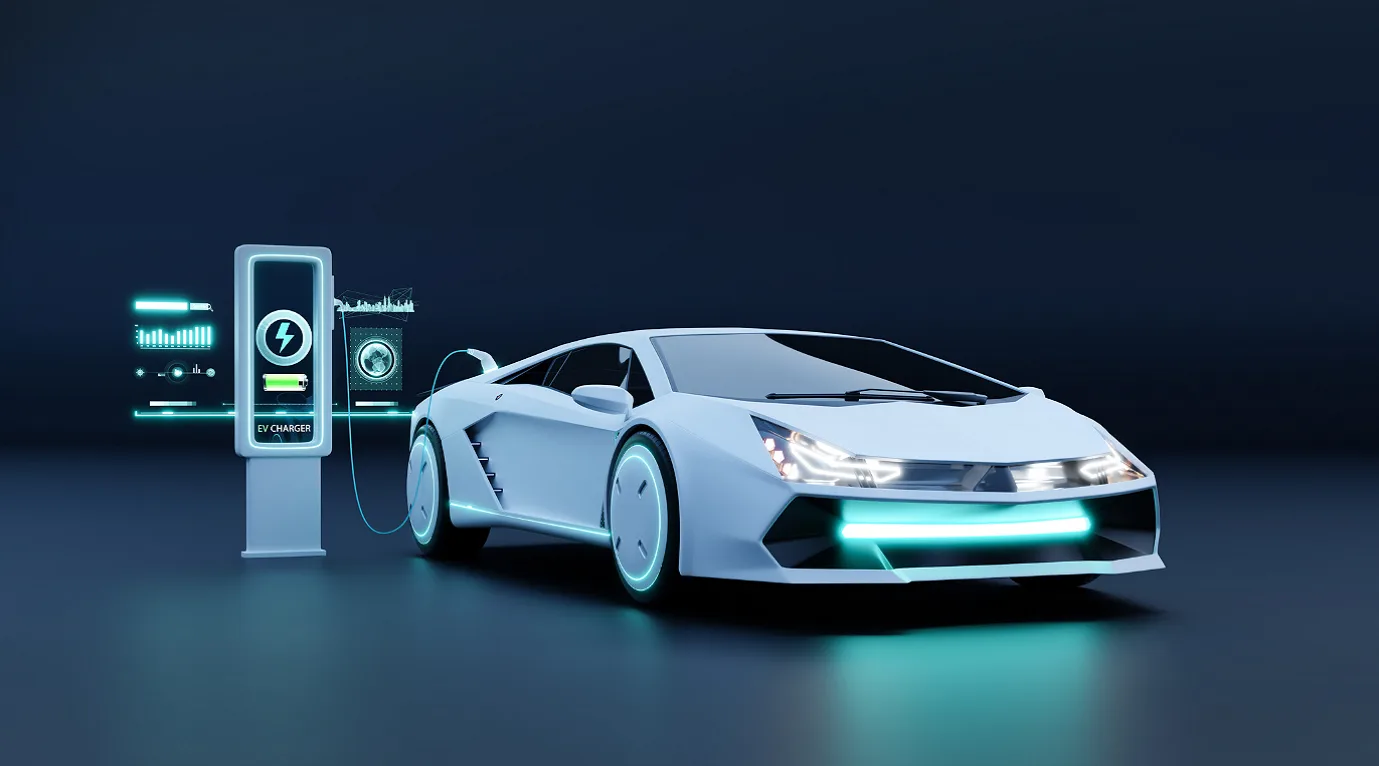
The electric vehicle (EV) revolution isn’t just on the horizon; it’s here, and it’s picking up speed fast. With predictions showing that EVs will account for over 60% of all car sales by 2030, the shift is undeniable. But while battery technology often grabs the spotlight, there’s another powerhouse quietly fueling this change-electric vehicle software.
Electric vehicles today are more than just cars; they’re highly advanced software-powered machines, with cutting-edge technology at their core. From improving battery performance to enabling autonomous driving, software is transforming EV technology. Let’s explore how software is enhancing EV performance, safety, and the overall driving experience, as well as how it’s integrating with broader technology ecosystems to push the industry forward.
Electric vehicles aren’t a new idea—they’ve been around since the 19th century. But only in recent years, with advancements in battery technology and sustainability efforts, have they become a practical alternative to combustion engine cars. One crucial factor driving this new wave of EV technology is software.
Unlike traditional cars, which are more reliant on hardware, modern electric vehicles are powered by electric vehicle software that manages everything from battery systems to user interfaces. This software ensures that EVs operate smoothly, efficiently, and safely, making it the real engine behind the rise of the electric vehicle market.
At the heart of every electric vehicle is its battery, and the software that manages it—known as the Battery Management System (BMS)—is vital. Without a well-designed BMS, even the most advanced battery would fail to deliver its full potential.
One standout example is Tesla’s use of electric vehicle software to optimize battery management. Through constant software updates and predictive analytics, Tesla EVs continue to improve their performance, even after purchase.
Autonomous driving is perhaps the most exciting innovation in EV technology, and none of it would be possible without advanced software.AI-enhanced algorithms allow electric vehicles to navigate roads, make decisions, and operate safely without human intervention.
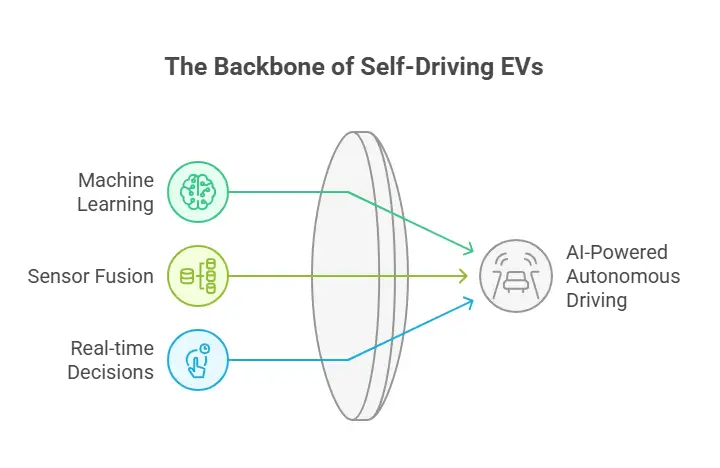
Companies like Waymo and Tesla are pushing the boundaries of autonomous driving, with electric vehicle software being the backbone of their self-driving capabilities.
Keeping an electric vehicle in peak condition requires more than just physical inspections. Thanks to EV technology, vehicles can now monitor their own performance in real-time and predict when maintenance will be needed.
General Motors’ OnStar system exemplifies how electric vehicle software is revolutionizing vehicle maintenance by providing real-time insights into an EV’s health.
Electric vehicle software isn’t just improving the inner workings of EVs; it’s also making the driving experience more enjoyable. Modern EVs are equipped with intuitive interfaces, personalized settings, and seamless mobile integration, all powered by software.
The personalized driving experience, enabled by electric vehicle software, sets EVs apart from traditional vehicles.
EV technology is not only transforming vehicles but also integrating them with smart city infrastructure. By connecting electric vehicles to urban ecosystems, software helps reduce congestion, optimize energy usage, and improve overall efficiency.
Amsterdam’s pilot projects showcase the potential for electric vehicle software to integrate seamlessly with smart city technologies, reducing emissions and improving urban mobility.
As EV technology becomes more advanced and connected, cybersecurity has become a critical focus. Protecting electric vehicles from hacking and ensuring that electric vehicle software remains secure is essential for safety and data protection.
As the electric vehicle revolution accelerates, one thing stands out—software is the driving force behind this transformation. Whether it’s optimizing battery performance, enabling autonomous driving, or enhancing the overall user experience, electric vehicle software is what turns modern EVs into intelligent, efficient, and connected machines.
The future of mobility is electric, and EV technology is leading the charge. For businesses looking to thrive in this fast-paced environment, embracing the right software solutions is not just an option—it’s essential. At Neuronimbus, we specialize in delivering tailored software innovations that help companies harness the full potential of EV technology.
Ready to unlock new possibilities in the electric vehicle space? Let our expertise guide you through the next wave of EV advancements. with Neuronimbus today and explore how we can drive your business forward.
Software powers the advanced functions of electric vehicles, from battery management to autonomous driving. It enables real-time diagnostics, predictive maintenance, and enhances the user experience with intuitive interfaces and over-the-air updates. Unlike traditional cars, EVs rely heavily on intelligent software to manage performance, safety, and energy efficiency.
A Battery Management System (BMS) is software that monitors and controls the EV battery’s health. It tracks temperature, voltage, and performance in real time, predicts battery degradation, and optimizes charging cycles. This ensures longevity, maximizes range, and prevents failures, making it essential for efficient electric vehicle operation.
AI in EVs uses machine learning to analyze surroundings via sensors like radar and cameras. It helps the vehicle recognize objects, predict traffic patterns, and make real-time decisions such as braking or lane changes. This enables safe, driverless operation, with companies like Tesla and Waymo leading innovations in this space.
Predictive maintenance uses EV software to analyze data from vehicle sensors and identify issues before they become serious. By predicting potential failures, it reduces costly breakdowns, improves uptime, and allows remote diagnostics, so technicians can resolve problems faster and keep vehicles in optimal condition without unnecessary service visits.
Over-the-air updates let EV manufacturers send software improvements remotely, allowing vehicles to receive new features or bug fixes without visiting a service center. This keeps vehicles up-to-date, improves security, enhances performance, and enables new functionalities, ensuring the EV remains efficient and cutting-edge throughout its lifespan.
EV software provides intuitive touchscreens, voice commands, and mobile apps for remote vehicle monitoring and control. Drivers can track battery levels, locate charging stations, and personalize settings. These digital features make driving easier, safer, and more enjoyable, offering a modern experience far beyond traditional vehicle interfaces.
Smart charging uses EV software to optimize charging times, balancing energy demand to prevent grid overload. Vehicle-to-Grid (V2G) enables EVs to return stored energy to the grid during peak hours. These technologies help stabilize energy networks and integrate EVs into smart city infrastructures, contributing to sustainability.
EVs are increasingly connected, making them vulnerable to cyberattacks. Robust cybersecurity protects the software from hacks that could compromise vehicle safety or leak personal data. Compliance with regulations like ISO 21434 ensures reliability and safeguards against unauthorized access, maintaining both the vehicle’s integrity and user trust.
Predictive analytics in EV software analyzes usage patterns and environmental data to forecast battery degradation. This allows proactive maintenance and optimization of charging cycles, preventing overcharging or overheating. As a result, batteries last longer, performance remains stable, and users get the most out of their EV’s range and efficiency.
EV software integrates vehicles with urban infrastructure to enable smarter charging, traffic management, and energy efficiency. Real-time data sharing helps reduce congestion and optimize grid usage. Pilot projects in cities like Amsterdam show how EVs can connect to smart grids and traffic systems, promoting sustainable urban mobility and energy management.


Let Neuronimbus chart your course to a higher growth trajectory. Drop us a line, we'll get the conversation started.






Call Us

Schedule a Call


Your Next Big Idea or Transforming Your Brand Digitally
Let's talk about how we can make it happen.