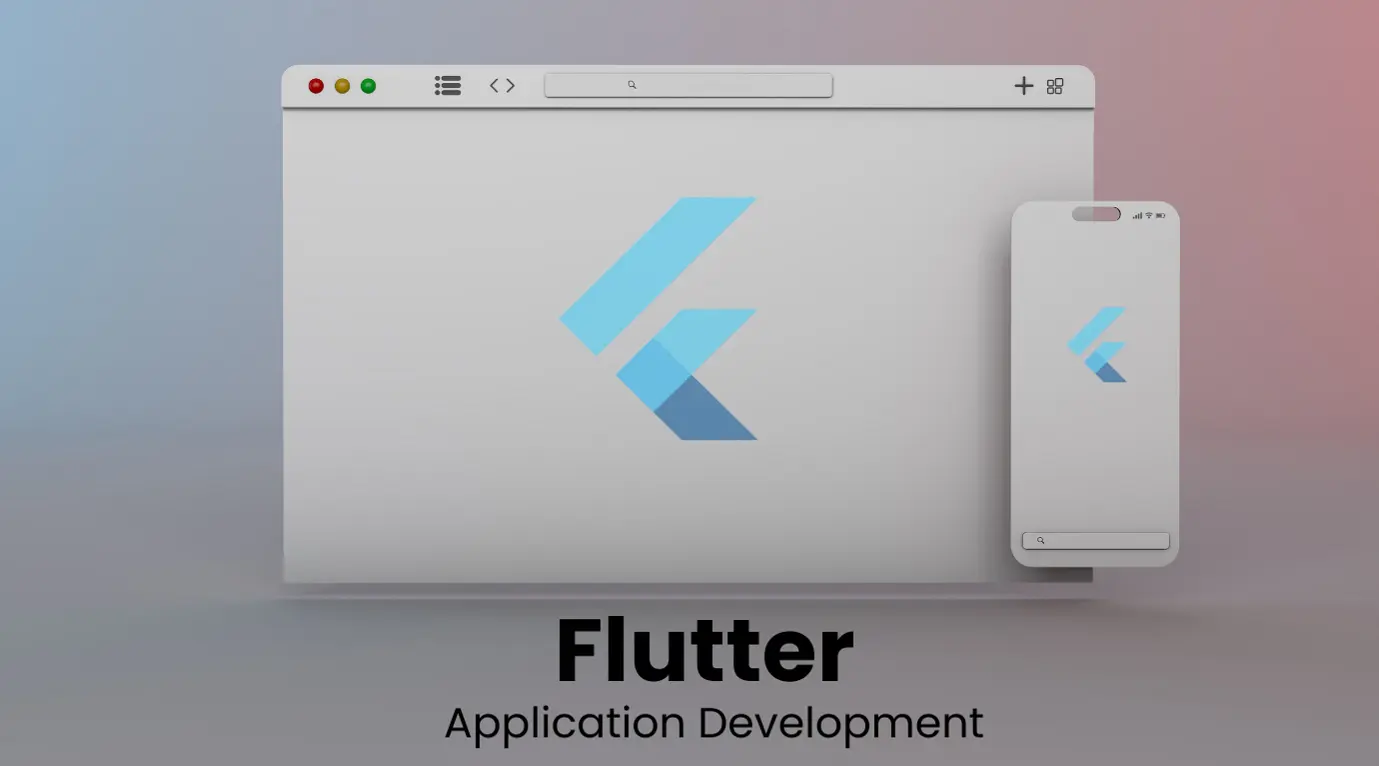
In the fast-paced world of app development, businesses and developers are constantly searching for tools that combine efficiency, scalability, and exceptional user experience. Enter Flutter, a UI toolkit that has taken the app development world by storm. But here’s a common question: Is Flutter a programming language? Spoiler alert: it’s not—but it’s a lot more than that.
Flutter isn’t just another tool in the developer’s arsenal; it’s a transformative platform that enables seamless cross-platform application development. This article explores what Flutter is, how it works, its unique advantages, and why it’s becoming the go-to framework for developers and businesses alike.
Flutter, developed by Google, is an open-source UI software development kit (SDK) designed to build natively compiled applications for mobile, web, and desktop from a single codebase. It is not a programming language but a framework that relies on Dart, Google’s programming language, to deliver high-performance, visually compelling applications.
In essence, Flutter provides a canvas for developers to design interactive and beautiful interfaces while Dart powers the engine under the hood.
Core Features of Flutter
A common misconception is that Flutter is a programming language. In reality, Flutter is a framework powered by Dart. Here’s how they work together:
This distinction is important because while Dart ensures robust back-end processes, Flutter brings the visual and interactive elements to life. Together, they create a seamless development experience.
Flutter is more than just another tool; it’s a paradigm shift in software development. Here’s what sets it apart:
1. Cross-Platform Development Simplified
Traditional app development often requires separate teams for iOS, Android, and web platforms. Flutter’s single codebase approach eliminates this need, significantly reducing development time and costs.
2. Beautiful and Consistent UI
Flutter’s widget-based architecture allows developers to create visually stunning applications. With pre-designed widgets for both Material Design (Google) and Cupertino (Apple) aesthetics, apps maintain a consistent look and feel across platforms.
3. Performance That Rivals Native Apps
By compiling code directly to native ARM machine code, Flutter delivers a near-native performance, ensuring smooth animations and fast load times.
4. Developer-Friendly Ecosystem
Flutter’s intuitive tools, such as hot reload, make the development process enjoyable and efficient. Developers can experiment, fix bugs, and refine designs in real-time, reducing turnaround times.
5. Cost Efficiency
For businesses, Flutter’s ability to deploy across platforms from a single codebase means lower development and maintenance costs, without compromising quality.
Flutter operates in a competitive space, with React Native and native development as major contenders. Here’s how it stacks up:
Flutter vs. React Native
Flutter vs. Native Development
Understanding Flutter’s workflow is crucial to appreciate its simplicity and power. Here’s a breakdown:
1. Dart Programming
Developers write application logic in Dart, handling everything from API integrations to data management.
2. Flutter Widgets
Widgets form the visual interface. Developers customize and combine widgets to create unique designs.
3. Compilation
Flutter compiles the Dart code and renders widgets directly on a canvas, bypassing the need for platform-specific UI frameworks.
4. Testing and Deployment
With robust testing tools and seamless deployment options, Flutter ensures the app meets quality standards across all platforms.
Flutter’s versatility has attracted companies across industries. Here’s a glimpse into its applications:
1. E-commerce
Apps like Alibaba use Flutter for its flexibility and performance, ensuring a consistent shopping experience across devices.
2. Fintech
Banks and payment platforms leverage Flutter to create secure, user-friendly interfaces for financial transactions.
3. Healthcare
Healthcare providers use Flutter to develop apps for patient management, teleconsultations, and appointment scheduling.
4. Startups
For startups operating on tight budgets, Flutter’s ability to deploy quickly across platforms is invaluable.
5. Entertainment
Streaming apps and gaming platforms rely on Flutter’s high-performance rendering capabilities to deliver immersive experiences.
While Flutter offers numerous advantages, it’s not without its challenges:
1. Dart’s Learning Curve
Dart is less commonly used than languages like JavaScript, meaning developers may need time to familiarize themselves with it.
2. App Size
Flutter apps can be slightly larger than those built natively, which might concern users with limited storage.
3. Limited Native Integration
While Flutter’s plugin ecosystem is vast, accessing very platform-specific features may require custom native code.
4. Web Support
Flutter’s web capabilities are still evolving, and some features may not perform as seamlessly as on mobile.
Maximizing Flutter’s potential requires strategic implementation. Here are some tips:
Flutter is on a trajectory to dominate cross-platform development. With constant updates, improved web and desktop support, and integration with emerging technologies like AR and AI, Flutter’s potential is boundless. Google’s backing ensures that it will remain a leading framework for years to come.
Flutter isn’t just a tool; it’s a gateway to creating exceptional digital experiences. Its ability to unify development across platforms while maintaining high performance and stunning visuals makes it indispensable for businesses aiming to stand out in the crowded digital space.
Looking to build apps that aren’t just functional but unforgettable? Whether you’re exploring new ideas or scaling existing solutions, Neuronimbus can help you harness the full potential of Flutter. With tailored strategies and cutting-edge solutions, we ensure your applications deliver impact, engagement, and results.
Let’s create something extraordinary together.


Let Neuronimbus chart your course to a higher growth trajectory. Drop us a line, we'll get the conversation started.






Call Us

Schedule a Call


Your Next Big Idea or Transforming Your Brand Digitally
Let's talk about how we can make it happen.