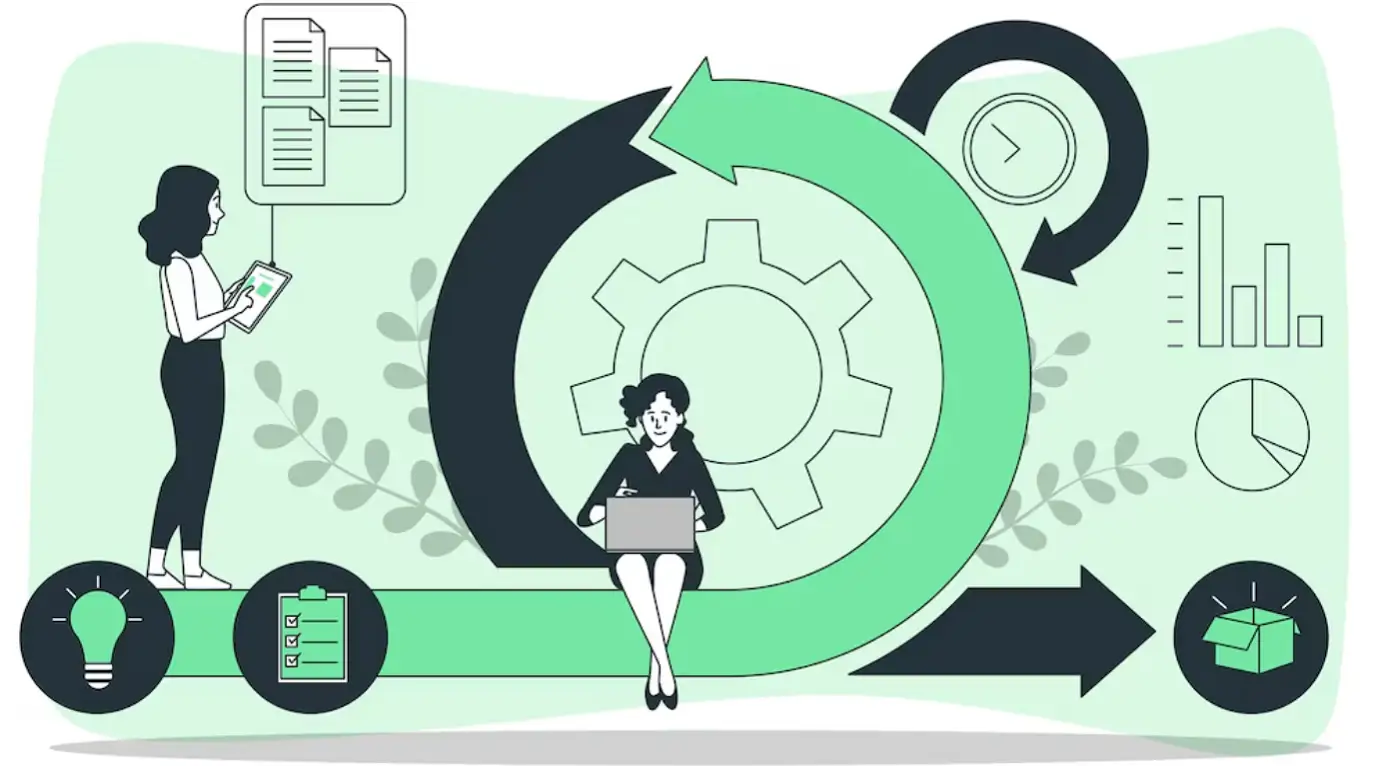
In today’s rapidly changing tech environment, choosing the right approach for software development isn’t just a technical decision—it’s a strategic one. At the C-suite level, selecting the most effective system development life cycle (SDLC) isn’t about following trends; it’s about aligning your development model with your company’s unique needs, market pressures, and growth objectives. The SDLC you choose has a tangible impact on project efficiency, cost control, and the end-user experience, making it crucial for informed decision-making.
In this article, we’ll walk you through the essential types of system development life cycles, their pros and cons, and when each might be the best fit for your organization. Whether you’re launching a new project or optimizing an existing one, understanding the SDLC landscape is key to navigating today’s complex development demands.
At its core, the system development life cycle is a structured approach to creating software that ensures each stage of development—from ideation to deployment—is handled methodically. Most SDLC models, regardless of type, include these core phases:
Each SDLC model will approach these phases differently, tailoring the process to fit project needs. A clear understanding of these stages helps in selecting a model that aligns with your team’s capabilities, resources, and business objectives.
Selecting an SDLC model isn’t a one-size-fits-all decision. Here’s a closer look at the main types of system development life cycles and when each may be most effective.
1. Waterfall Model
The Waterfall model is often seen as the classic approach to SDLC. It’s a linear, sequential process where each phase is completed before the next begins, moving forward like a waterfall. This model works best when requirements are fixed and unlikely to change.
Waterfall is ideal for sectors with strict regulatory needs, such as healthcare or aerospace, where extensive documentation and a clear structure are crucial.
2. V-Model (Verification and Validation)
The V-Model is an extension of the Waterfall approach, with an emphasis on testing at each development stage. For every design phase, there’s a corresponding testing phase, ensuring verification and validation as the project progresses.
V-Model can be particularly effective for projects where quality and reliability are non-negotiable, and where the cost of a defect post-deployment would be high.
3. Iterative and Incremental Models
The Spiral Model and Rational Unified Process (RUP) are examples of iterative models, which break down the project into smaller chunks or cycles. In each iteration, a version of the product is developed, reviewed, and refined, allowing for adjustments based on feedback and new insights.
This approach works well for complex, large-scale projects that benefit from regular refinement, such as enterprise software solutions that may need periodic changes based on user feedback.
4. Agile SDLC Models
Agile methods, including Scrum, Kanban, and Extreme Programming (XP), have become synonymous with flexibility and adaptability. Agile emphasizes small, incremental releases with ongoing customer feedback, making it ideal for projects where requirements may shift over time.
Agile methodologies are especially popular in fast-paced industries like software startups or consumer tech, where rapid delivery and responsiveness to user feedback are crucial.
5. DevOps
The DevOps approach integrates development and operations teams to enhance collaboration and productivity. With a focus on automation, continuous integration, and deployment, DevOps enables teams to develop, test, and release software quickly and reliably.
DevOps is highly effective for e-commerce platforms, SaaS providers, or any organization that relies on frequent updates to remain competitive
Each SDLC model has strengths and weaknesses that make it suitable depending on the project and organization.
For instance:
Understanding these trade-offs is crucial for C-suite decision-makers tasked with selecting a model that aligns with their business’s needs and goals.
When selecting the right SDLC model, consider the following:
Selecting the right SDLC isn’t just about the development phase; it affects everything from budget control to stakeholder satisfaction and overall project success.
Here are a few practical tips:
Selecting the optimal SDLC model is a strategic decision with a direct impact on your project’s outcome. By aligning the SDLC with your organization’s needs, culture, and project requirements, you can streamline development, reduce costs, and increase user satisfaction.
At Neuronimbus, we understand that each project is unique. Our expertise in a variety of SDLC models allows us to guide businesses in choosing and implementing the right approach for their specific needs. Let’s work together to build software solutions that drive your business forward, efficiently and effectively.

Let Neuronimbus chart your course to a higher growth trajectory. Drop us a line, we'll get the conversation started.





Call Us

Schedule a Call


Your Next Big Idea or Transforming Your Brand Digitally
Let's talk about how we can make it happen.