
The world of mobile apps is booming, with the Google Play Store alone boasting over 3.47 million apps. For entrepreneurs, business owners, and even individual developers, the allure of creating the next big Android app is undeniable. However, before diving headfirst into development, understanding the associated costs is crucial for informed decision-making. Android app development costs can vary significantly depending on a multitude of factors, and navigating this pricing landscape can be a daunting task.
This comprehensive guide aims to demystify the costs associated with Android app development. We’ll explore the key variables that influence the bottom line, delve into regional cost variations, and equip you with budgeting and pricing strategies to make informed financial decisions. Whether you’re a seasoned developer or a budding entrepreneur with a groundbreaking app idea, this guide will shed light on the intricacies of Android app development pricing.
The final cost of your android app development project hinges on a complex interplay of various factors. Here’s a closer look at some of the most significant cost drivers:
The level of complexity and the number of features your app boasts will significantly impact the development effort and, consequently, the cost. Basic apps with straightforward functionalities require less development time and resources compared to feature-rich apps with intricate functionalities, custom animations, or integrations with third-party services.
For instance, developing a simple to-do list app will likely cost considerably less than building a complex social networking platform with real-time chat and location-based features.
The specific tools and technologies chosen to develop your app will also influence the budget. Native development using Java or Kotlin is the standard approach for building high-performance android apps.
However, frameworks like Flutter or React Native offer cross-platform development capabilities, potentially reducing development time and costs. The choice of back-end technologies, databases, and cloud services will also factor into the overall cost.
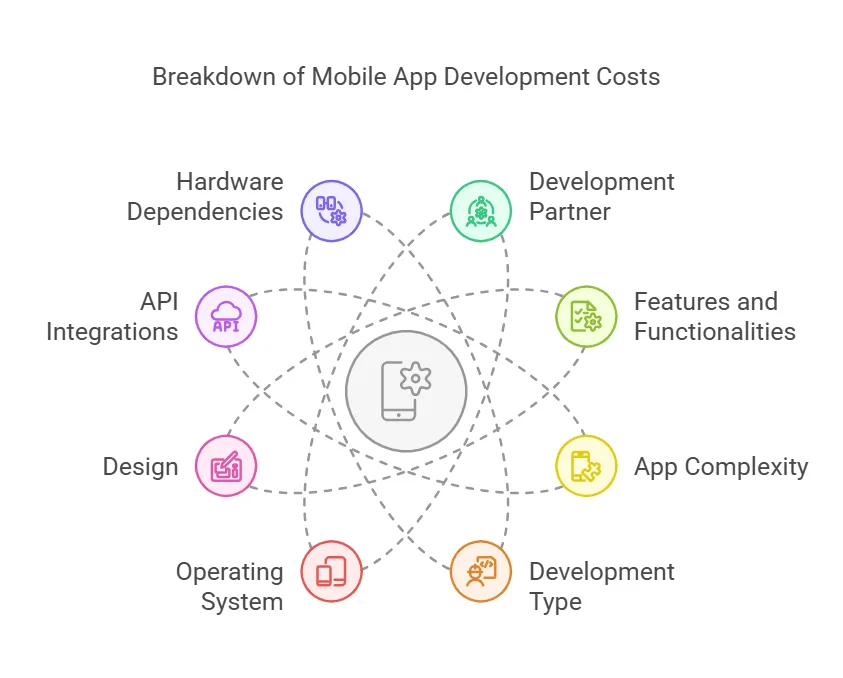
The expertise and experience of the developers you hire play a crucial role in determining the cost of Android app development. Senior developers with specialized skillsets typically command higher hourly rates compared to junior developers. Furthermore, geographical location significantly impacts developer costs. Hiring developers in regions with lower living costs, such as Eastern Europe or Southeast Asia, can lead to lower development costs compared to hiring developers in North America or Western Europe.
Understanding these core cost drivers empowers you to make informed decisions throughout the development process.
The geography of your development team can significantly impact the overall cost of your android app development project. Let’s explore how Android app development costs vary across different regions:
North America
North American developers, particularly those located in the United States and Canada, generally command the highest hourly rates globally. This is due to factors like high living costs, a strong developer talent pool, and a mature tech industry. You can expect to pay anywhere from $150 to $300 per hour for experienced developers in this region.
Europe
Western European countries like the United Kingdom, Germany, and France also boast a skilled developer workforce. Android app development costs in Western Europe tend to be lower than North America, typically ranging from $100 to $200 per hour. Eastern European nations offer a more cost-effective option, with developer rates falling between $50 and $120 per hour.
Asia
Asia is a major player in the global app development scene, offering a vast pool of talented developers at competitive rates. Android app development costs in countries like India, Vietnam, and Indonesia typically range from $30 to $80 per hour, making them a popular choice for cost-conscious businesses. However, it’s crucial to carefully evaluate developer experience and communication skills when considering outsourcing to Asia.
Latin America
The developer landscape in Latin America is on the rise, with countries like Argentina, Brazil, and Mexico offering a growing pool of skilled developers. Android app development costs in Latin America are generally lower than North America and Western Europe, ranging from $50 to $100 per hour.
Several factors contribute to the variations in Android app development costs across regions.
Regions with a higher cost of living typically command higher developer rates. This is because developers need to compensate for living expenses like housing, food, and transportation.
Regions with a more established tech industry and a larger pool of experienced developers tend to have higher developer rates.
The demand for skilled developers in a particular region can also influence their rates. Areas with a high concentration of tech startups and companies vying for developer talent will likely see higher rates compared to regions with a lower demand.
By understanding these regional variations, you can make informed decisions about where to source your development team. While cost is certainly a factor, it’s crucial to prioritize developer skills, experience, and cultural compatibility for a successful project outcome.
Developing a mobile application is a substantial investment that involves a combination of technology, human resources, design, and infrastructure, all of which contribute to the final cost. Regardless of the type of app, each project requires unique features and functionalities, adding to the overall budget. Below are the key factors that determine the cost of app development.
One of the most significant cost-determining factors is the choice of a development partner. Businesses typically have two options:
– Hiring a dedicated app developer
– Outsourcing the project to a mobile app development company
Partnering with a mobile app development company provides access to a team of experienced developers, advanced technology stacks, and comprehensive support, making it a preferred choice for long-term projects. However, it tends to be more expensive than hiring a freelancer.
On the other hand, freelancers offer lower development costs, but there are potential drawbacks such as longer turnaround times, lack of accountability, and limited resources. If scalability, maintenance, and continuous updates are essential for your app, opting for a professional development agency is generally a better approach despite higher upfront costs.
The complexity of an app is directly related to its features and functionalities, making this a primary driver of development costs. The discovery phase of app development involves defining the app’s business objectives, user requirements, and expected functionalities. The more sophisticated the features, the higher the development costs.
For example, an app that includes:
– AI-based recommendations
– Advanced search filters
– Augmented reality integrations
– Real-time data synchronization
…will cost significantly more compared to a basic app with standard features. If you are outsourcing to a mobile app development company in the USA, expect higher costs due to the integration of cutting-edge technologies.
The more intricate the business logic, the higher the cost of development. Apps can be classified based on their complexity:
Simple Apps – Basic functionalities like login, user profiles, and notifications.
Moderate Apps – Features such as third-party integrations, payment gateways, and real-time chat.
Complex Apps – Incorporate AI/ML, AR/VR, blockchain, and real-time collaboration tools.
For instance, developing a wedding planning app with multiple vendor management, real-time booking, and AI-driven recommendations will require a higher budget compared to a simple checklist-based app.
There is always a debate between native and hybrid app development, each influencing development costs differently:
The choice of operating system also affects development costs:
However, if business reach is the priority, Android apps are preferred due to a larger global user base, maximizing potential engagement.
Application Programming Interfaces (APIs) allow mobile apps to communicate with external services. The choice between:
…affects the overall budget. Examples of commonly used APIs include:
Google Maps API for location services
PayPal and Stripe API for payments
Facebook and Google APIs for quick logins
Apps that require Bluetooth, USB, GPS, and IoT integrations tend to increase development costs, as they require extensive testing and hardware compatibility checks.
To enhance user engagement, many apps integrate animations, gamification elements, and interactive UI components. Features like:
Leaderboard systems
Progress tracking visuals
Dynamic animations
…can significantly impact costs due to additional design and coding efforts.
The backend infrastructure determines how well an app manages data storage, processing, and interactions.
Simple apps can be hosted on shared cloud servers.
High-performance apps require dedicated servers with advanced configurations to handle millions of users (e.g., food delivery, streaming, and ride-hailing apps).
Software Development Kits (SDKs) are crucial for mobile app development. Premium SDKs come at a cost, depending on the platform and functionalities required.
To avoid app failures, rigorous quality assurance (QA) and beta testing are required before launch. Apps that undergo comprehensive testing processes are less likely to face technical glitches and negative user reviews, ensuring long-term success.
Developing a mobile app is an exciting venture, but it’s essential to approach it with a well-defined budget to avoid financial surprises down the road. Here are some key strategies to ensure you set a realistic budget for your android app development project.
Before diving into cost estimations, meticulously define the functionalities and features your app will offer. A detailed app feature list (AFL) serves as a roadmap for development and helps estimate the development effort required. The more complex and feature-rich your app, the higher the development cost will be.
Not all features are created equal. Identify the core features that are essential for your app’s minimum viable product (MVP) and prioritize their development in the initial phase. This allows you to launch your app with core functionalities while keeping costs under control. You can then introduce additional features and functionalities based on user feedback and market response in subsequent updates.
The cost of Android app development extends beyond developer fees. Consider additional expenses such as app store submission fees, server costs for back-end infrastructure, user interface (UI) and user experience (UX) design, and ongoing maintenance costs. Failing to account for these ancillary expenses can lead to budget shortfalls down the line.
The app development process is rarely linear, and unforeseen challenges or feature enhancements may arise. It’s wise to allocate a buffer of 10-15% to your initial budget to accommodate these potential contingencies. This flexibility ensures you have the resources to address unexpected needs without derailing your project.
Once you have a clear understanding of your app’s requirements and budget, obtain quotes from multiple development agencies or freelance developers. Carefully compare quotes not just on price but also on the developer’s experience, development methodology, and communication style. The cheapest option isn’t always the best; prioritize quality and a good working relationship alongside cost considerations.
By following these budgeting strategies, you can establish a realistic financial roadmap for your android app development project.

The way you pay for your android app development project hinges on the chosen pricing model. Here’s a breakdown of the two most common models, along with their advantages and disadvantages:
In the fixed price model, you agree on a set price for the entire development project upfront. This price typically covers all development costs, including features, functionalities, and revisions within a predefined scope.
With the time and materials model, you pay for the development time invested in your project based on an hourly or daily rate. This model provides a more flexible approach, allowing for ongoing adjustments and feature iterations throughout the development process.
The optimal pricing model for your Android app development project depends on various factors, including your project scope, budget certainty, and risk tolerance. Here’s a quick guide to help you decide:
Ultimately, the best approach is to discuss your project requirements and preferences with potential developers to determine the most suitable pricing model for your android app development endeavor.
Building a high-quality android app doesn’t necessitate breaking the bank. Here are some effective strategies to keep your Android app development costs under control while delivering a stellar app experience:
Focus on developing the essential features that make your app valuable to users. You can introduce additional features and functionalities in subsequent updates based on user feedback and market response. This phased approach allows you to launch your app sooner and control costs in the initial development stage.
The Android development landscape offers a wealth of open-source libraries and frameworks that can streamline development and reduce costs. These pre-built components provide functionalities like navigation, social logins, or analytics, eliminating the need to develop them from scratch. Carefully evaluate open-source options to ensure they align with your project requirements and offer the necessary level of quality and security.
Agile development methodologies promote iterative development cycles with continuous testing and feedback loops. This approach allows for early detection and correction of bugs, preventing costly rework later in the development process. Additionally, agile development facilitates better project management and resource allocation, leading to increased efficiency and cost savings.
Outsourcing specific development tasks to skilled professionals in regions with competitive developer rates can be a cost-effective strategy. For instance, consider outsourcing UI/UX design or back-end development to specialists who can deliver high-quality work at a lower cost compared to hiring a full in-house team. However, ensure effective communication and collaboration with outsourced teams to maintain quality control.
While minimizing upfront costs is important, don’t neglect the long-term value of your app. Investing in a well-designed, user-friendly app with a robust back-end infrastructure can lead to higher user engagement, lower maintenance costs, and potentially higher revenue generation in the long run.
By implementing these cost-effective strategies, you can optimize your android app development budget without compromising on quality. Here are some key takeaways to remember:
Focus on building long-term value through a well-designed and user-centric app.
Embarking on the journey of Android app development is an exciting venture, brimming with opportunities to create innovative and impactful applications. However, understanding the associated costs is paramount to making informed decisions and ensuring the success of your project. By exploring the key factors that influence pricing, recognizing regional cost variations, and adopting strategic budgeting practices, you can navigate the development landscape with confidence.
In this comprehensive guide, we have demystified the complexities of Android app development costs. From the impact of app complexity and technology choices to the significance of developer skills and location, we have provided you with valuable insights to help you make sound financial decisions. Embracing cost-effective strategies such as leveraging open-source resources, prioritizing core features, and considering strategic outsourcing can further optimize your budget without compromising on quality.
At Neuronimbus, we understand that every app development project is unique. Our team of experienced developers is here to help you transform your app idea into reality. With a commitment to excellence and a focus on delivering value, we offer a free consultation to discuss your project scope, budget, and the most suitable development approach for your needs. Partner with Neuronimbus to turn your app vision into a success story.
The future of android app development is bright, and with the right knowledge and partners, you can create a thriving application that not only meets your business goals but also delivers exceptional value to users. Leverage the insights from this guide and take the first step towards realizing your app ambitions. Contact Neuronimbus today and let’s embark on this exciting journey together.


Let Neuronimbus chart your course to a higher growth trajectory. Drop us a line, we'll get the conversation started.






Call Us

Schedule a Call


Your Next Big Idea or Transforming Your Brand Digitally
Let's talk about how we can make it happen.